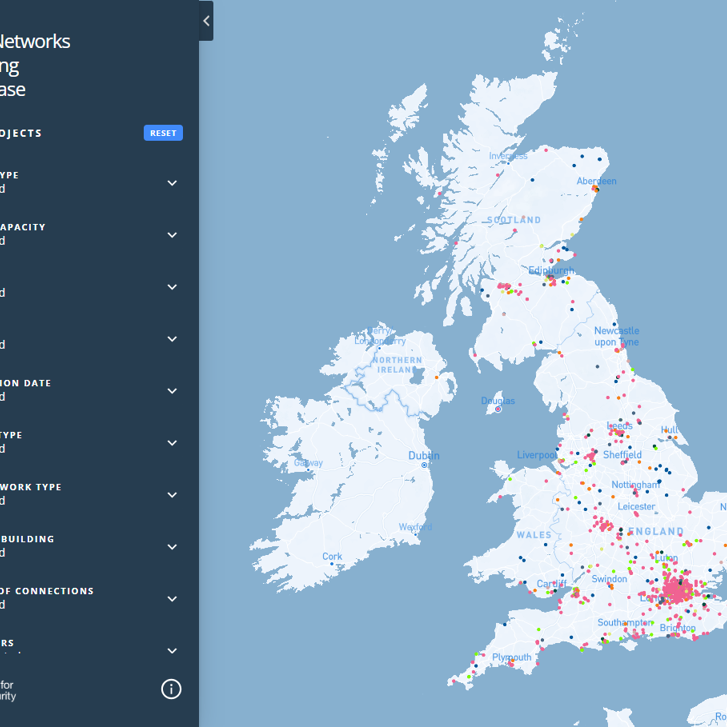
Domestic heating accounts for around 20% of the UK’s carbon emissions, so the housing sector is uniquely placed to drive decarbonisation.
In addition, Ofgem estimates that over 60% of existing heat networks are owned and managed by social landlords.
Housing providers therefore play a crucial role in the Government’s drive to decarbonise domestic heating.
The sector is being impacted by heat network regulation (which sits alongside pre-existing regulatory obligations) and will be affected by forthcoming heat network technical standards (including HNTAS) and zoning.
Our experienced teams work alongside those in the housing sector to support the development, management and disposal of heat networks within estates.
Our Points of Connection service provides free information for those in the housing sector who have, or are considering heat networks, and focuses, not only on district energy but also on the nexus between this and other areas of interest to the sector.
The Employment Rights Bill 2024 - Key Changes for Employers
Decarbonisation is a strategic priority for most housing providers. The most successful providers treat heat networks as strategic infrastructure assets, aligning regulatory compliance with wider asset management, retrofit and sustainability programmes. I particularly enjoy acting on matters hat help to deliver these strategic priorities
We advised a registered provider on the recoverability of heat charges through a district heat network, including the interpretation of tenancy agreement provisions, property documentation, and the associated legal and regulatory framework.
Our advice also addressed the application of the Ofgem Authorisation Conditions and the landlord's status within the network structure, including whether it was acting as an operator or supplier.
As a result, the landlord gained clarity on its legal and regulatory obligations, enabling it to communicate confidently with residents, manage compliance risks and better understand the respective responsibilities of all parties involved in the operation of the heat network.
Our secure, interactive dashboard brings everything together in one place: case tracking, critical action logs, and real-time financial insights
Housing webinars
Search for our latest webinars on housing
Legal Update Service
How we can help you meet the Governance and Financial Viability Standard requirement
ProAct 23 Basics
Your comprehensive collection of all the key legislative and guidance documents from the Procurement Act 2023.
Company Secretary Snapshot
The latest updates in the world of governance
Energy Matters
Our monthly summary of the key issues we are seeing across the renewable energy and resource management sectors.
Employment Rights Act Hub
Navigate the act's far-reaching changes with confidence – through expert-led training and targeted compliance audit packages.
BB Solutions
Helping you solve your organisational challenges with a range of legal and non-legal professional services.
Our use of cookies
We use necessary cookies to make our site work. We'd also like to set optional analytics cookies to help us improve it. We won't set optional cookies unless you enable them. Using this tool will set a cookie on your device to remember your preferences. For more detailed information about the cookies we use, see our Cookies page.
Necessary cookies
Necessary cookies enable core functionality such as security, network management, and accessibility. You may disable these by changing your browser settings, but this may affect how the website functions.
Analytics cookies
We'd like to set Google Analytics cookies to help us to improve our website by collection and reporting information on how you use it. The cookies collect information in a way that does not directly identify anyone.
For more information on how these cookies work, please see our Cookies page.