Heat networks supply around 3% the UK’s heat demand. The government aims to increase this to 20% by 2050.
National planning policy, and zoning for heat networks mean that businesses are increasingly likely to be connected to heat networks.
In high density urban areas, heat networks are often the lowest cost, low carbon heating option and can help customers manage costs and deliver on their own net zero targets.
Our experienced teams advise actual and potential customers about their heat network connections.
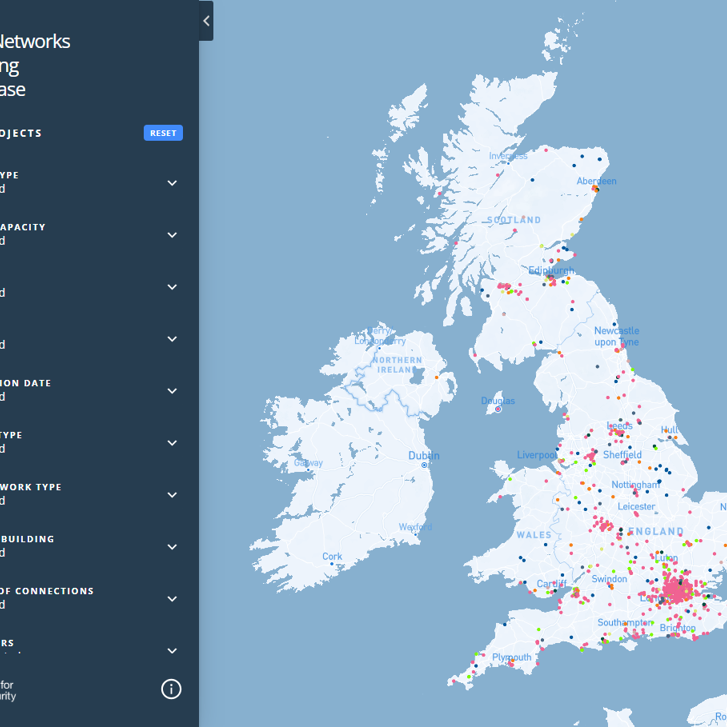
Our Points of Connection service provides free information for those who have connected to, or are considering supply from heat networks.
Recent studies suggest that businesses that have chosen to connect to heat networks see distinct benefits including cost efficiency, predictability and decarbonisation. Often though, customers don’t know enough about district energy to negotiate the best deal, so I enjoy helping them understand what they are considering signing up to and helping deliver a satisfactory outcome for them”
They treat us as a priority, are brilliant at managing expectations and have always delivered within their stated time frames, even when those have been tight. Every single team member has been an absolute pleasure to deal with
We advised a large national developer customer on their connection to the Newcastle Helix heat network.
Our advice involved the negotiation and preparation of all associated energy documentation relating to the procurement, installation, commissioning and maintenance of the district energy network to multiple sites over a 40-year term.
Newcastle Helix is a £350m flagship city-centre quarter development with an innovative approach to heating, cooling and energy generation including 11kV smart grid, CHP, EV fuelling station, low carbon heating and solar PV.
The Helix scheme is projected to save 30,650 thousand tonnes of carbon over its lifetime and there are plans to transition the network to Net Zero Heat.
Navigate the act's far-reaching changes with confidence – through expert-led training and targeted compliance audit packages.
BB Solutions
Helping you solve your organisational challenges with a range of legal and non-legal professional services.
Energy Matters
Our monthly summary of the key issues we are seeing across the renewable energy and resource management sectors.
Our use of cookies
We use necessary cookies to make our site work. We'd also like to set optional analytics cookies to help us improve it. We won't set optional cookies unless you enable them. Using this tool will set a cookie on your device to remember your preferences. For more detailed information about the cookies we use, see our Cookies page.
Necessary cookies
Necessary cookies enable core functionality such as security, network management, and accessibility. You may disable these by changing your browser settings, but this may affect how the website functions.
Analytics cookies
We'd like to set Google Analytics cookies to help us to improve our website by collection and reporting information on how you use it. The cookies collect information in a way that does not directly identify anyone.
For more information on how these cookies work, please see our Cookies page.